Pollution Control
ADVERTISEMENT
How Reflective Pavements and Green Spaces Reduce City Temperatures
As urban environments continue to expand, city dwellers are increasingly feeling the effects of elevated temperatures known as the urban heat island effect. This phenomenon occurs when urban areas become significantly warmer than their rural surroundings due to human activities, extensive use of dark surfaces, and a lack of vegetation.
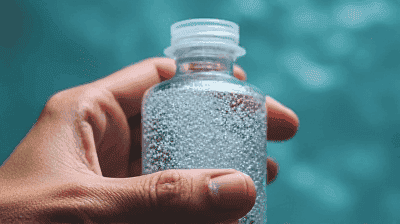
The Dangers of Microplastics in Water and How to Filter Them Out
As the world becomes increasingly aware of environmental issues, one term that has gained significant attention is microplastics. These tiny plastic particles, less than five millimeters in diameter, have infiltrated our ecosystems, particularly our water sources.
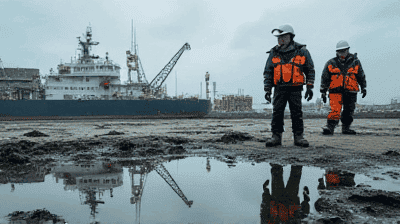
The Long-Term Effects of Heavy Metal Contamination in Farmland
Heavy metal contamination of farmland is a growing concern in many regions around the world. With increasing industrialization, urbanization, and agricultural practices, soils are often polluted with metals such as lead, cadmium, arsenic, mercury, and chromium.
How Air Purifiers and Indoor Plants Can Improve Indoor Air Quality
Air quality is a crucial factor that significantly affects our health and well-being. While we often focus on outdoor pollution, indoor air quality can be just as concerning, if not more so. In fact, studies have shown that indoor air can be more polluted than outdoor air, primarily due to various pollutants that accumulate in enclosed spaces.
How Noise Barriers and Urban Planning Reduce Traffic Noise Pollution
Traffic noise pollution has become an unavoidable byproduct of urbanization and increased vehicular use in our cities. As populations grow and transportation networks expand, concerns over the impact of traffic noise on public health, well-being, and the environment have escalated.
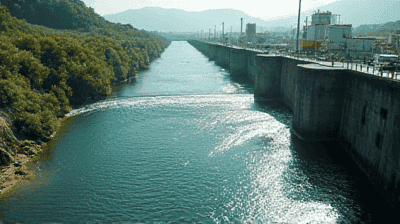
How Wastewater Treatment Plants Help Prevent River and Ocean Pollution
Water is vital for all forms of life on Earth, yet human activities continuously threaten its quality and availability. As we urbanize and industrialize, the risk of pollutants finding their way into rivers, lakes, and oceans increases significantly.
Best Practices for Reducing Landfill Waste and Soil Pollution
Landfills have long been a primary method for waste disposal, but their environmental impact is becoming increasingly concerning. The accumulation of waste in landfills leads to soil pollution, water contamination, and greenhouse gas emissions, all of which pose serious threats to ecosystems and human health.
Circular Economy: How Reducing Waste Can Control Multiple Pollution Types
The escalating global pollution crisis calls for innovative solutions that go beyond conventional waste management practices. Traditional linear economic models, characterized by a 'take-make-dispose' approach, have contributed significantly to waste generation, resource depletion, and various forms of pollution.
Why Electric Vehicles Are Quieter and How They Reduce Noise Pollution
As urban areas continue to expand and traffic congestion rises, noise pollution has become a significant concern for city dwellers and policymakers alike. Traditional gasoline-powered vehicles contribute to high noise levels in urban environments, impacting well-being and public health.
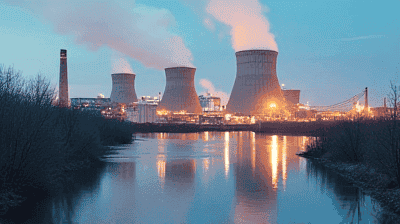
The Science Behind Carbon Capture and Storage (CCS) for Cleaner Air
In the struggle against climate change, carbon dioxide emissions are a major contributor to global warming and environmental degradation. The need for effective methods to mitigate these emissions has never been more urgent.